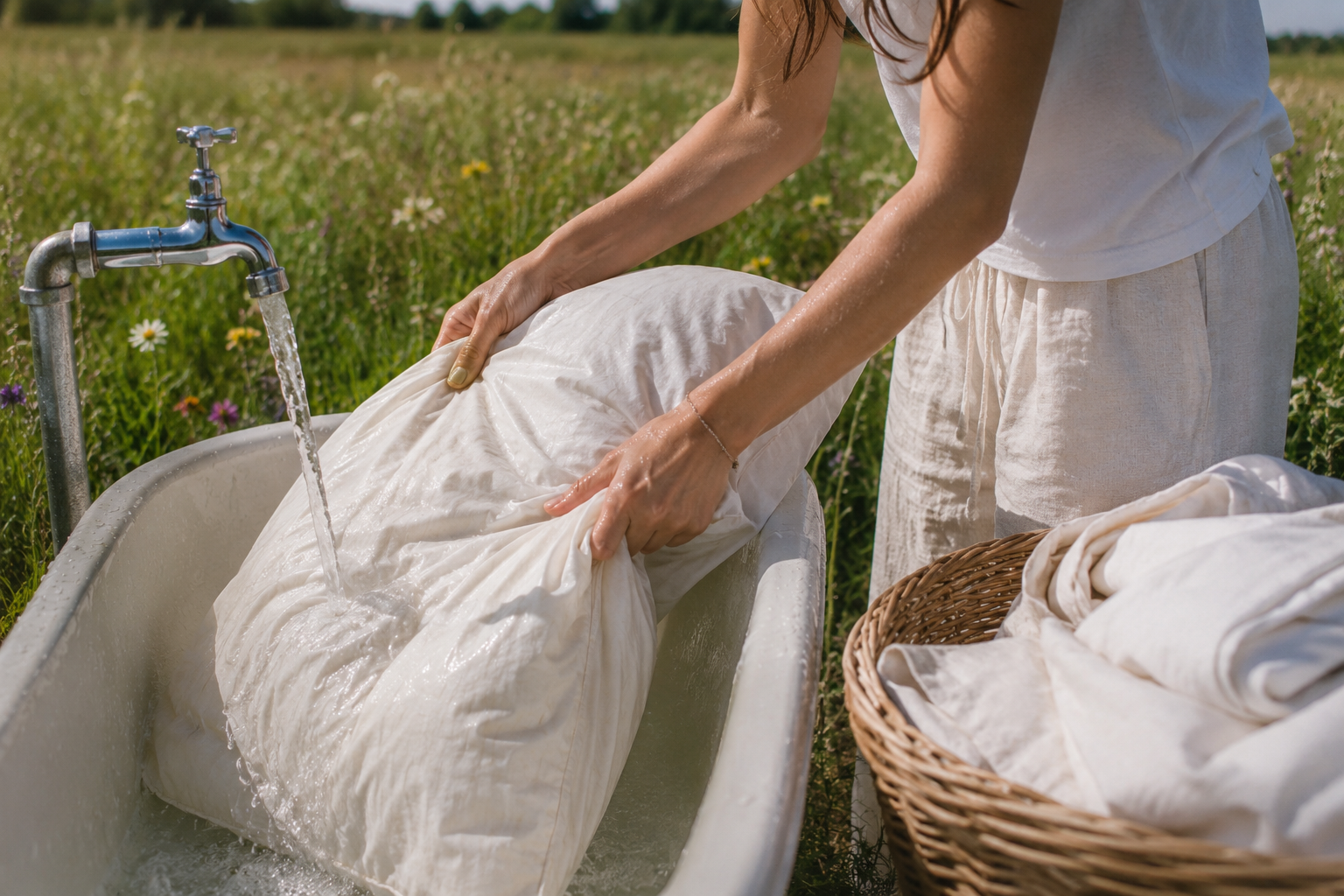
How Often Should You Wash Your Pillowcase?
You change your clothes every day and wash your face every night — but how often should you wash your pillowcase? Most people don’t think about it until a breakout or strange smell forces them to. The truth is, your pillowcase may be affecting your skin and hair more than you realize. The short answer: every 1–2 weeks — but the right answer depends on several factors. In this guide, we break it all down.
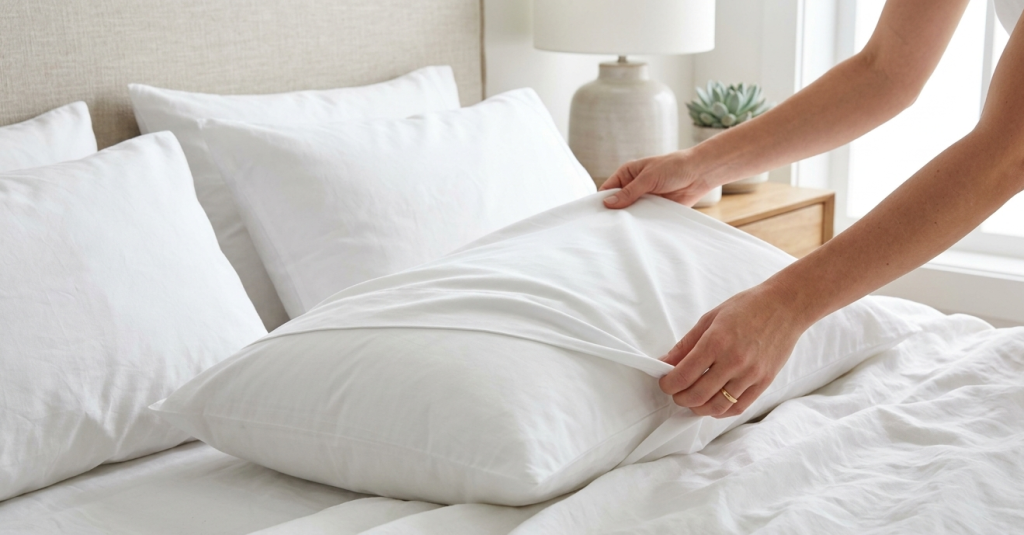
Why Your Pillowcase Gets Dirty Faster Than You Think
Your pillowcase is in direct contact with your face, hair, and neck for 6–9 hours every night. During that time, it collects:
Skin cells — millions shed every night
Sweat and body oils — produced continuously, even during sleep
Hair and skincare products — serums, moisturizers, and creams all transfer to fabric
Saliva — especially for side and stomach sleepers
Dust and environmental particles — settle on bedding throughout the day
As a result, all of this builds up within days, clogging pores and harboring bacteria. If you’ve noticed breakouts around your cheeks or jawline — your pillowcase may be the reason.
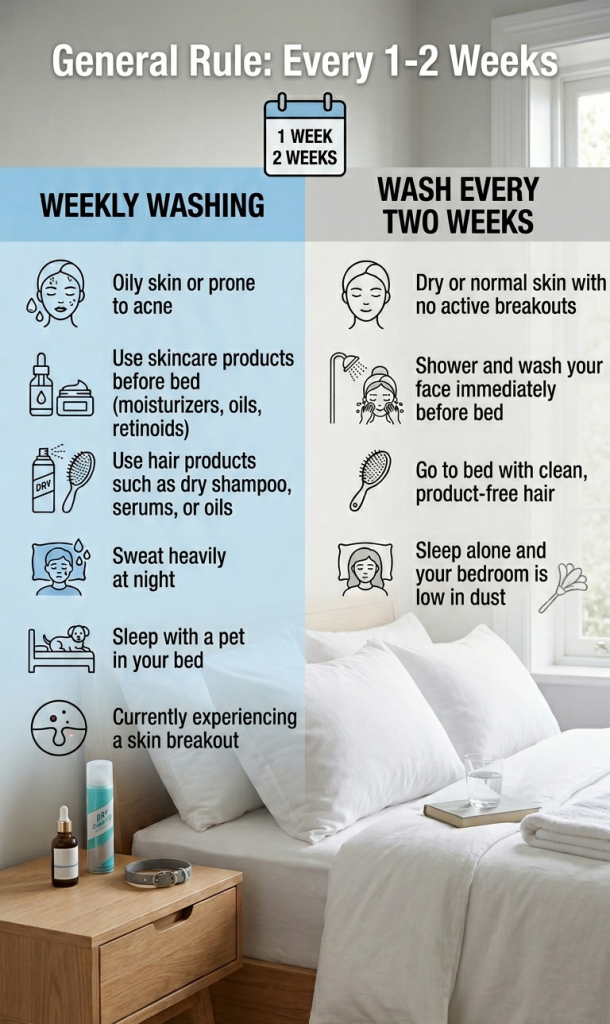
For most people, washing a pillowcase once a week to once every two weeks is the right frequency — and what most dermatologists recommend.
Wash weekly if you:
Have oily skin or are prone to acne
Use skincare or hair products before bed
Sweat heavily at night
Sleep with a pet
Are currently experiencing a breakout
Every two weeks is fine if you:
Have dry or normal skin with no active breakouts
Shower and wash your face immediately before bed
Go to bed with clean, product-free hair
Sleep alone in a low-dust environment
Regardless of skin type or habits, going longer than two weeks is not recommended for anyone.
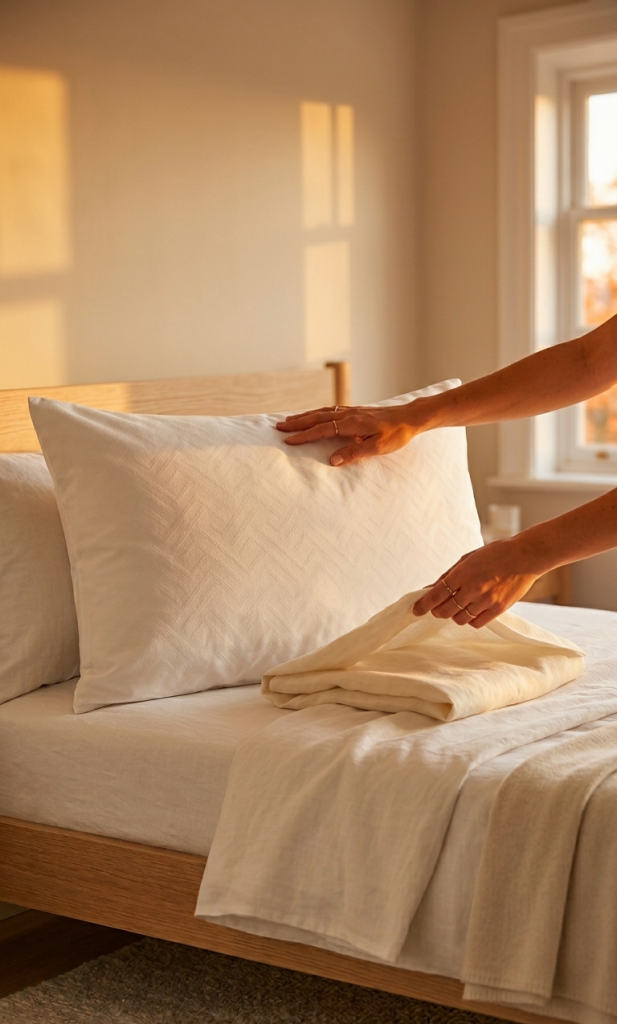
The Pillowcase Rotation Method
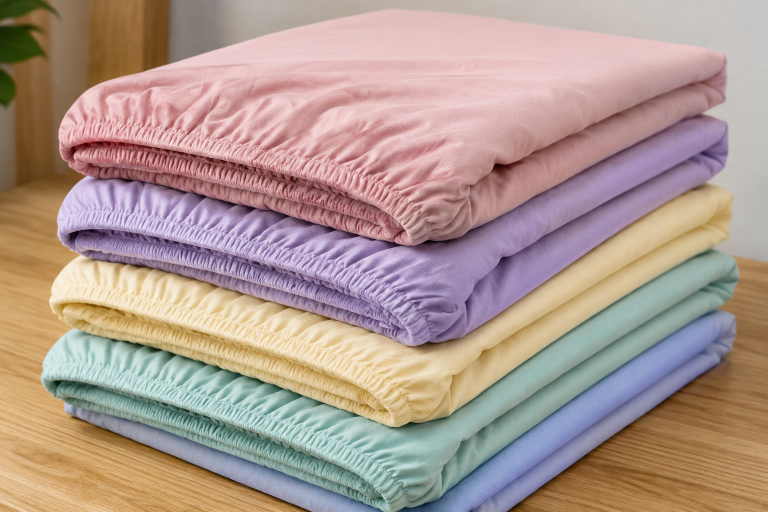
One of the most practical ways to maintain clean pillowcases without doing laundry every few days is to own three to four pillowcases per pillow and rotate them.
Here’s how it works:
Start by keeping three or four pillowcases in your linen drawer.
Then change your pillowcase every 2–3 days — it takes just 30 seconds.
Finally, wash the whole batch together once a week in one load.
This means your pillowcase is always fresh without the hassle of frequent individual washes. It’s especially useful if you have acne-prone skin or use heavy skincare products.
Cotton — absorbs moisture and oils readily. Weekly washing is recommended, especially for oily or acne-prone skin.
Silk — less absorbent, so oils and bacteria accumulate more slowly. Every 1–2 weeks is usually fine — but less absorbent doesn’t mean clean.
Linen — naturally breathable and moisture-wicking. Every 1–2 weeks is appropriate for most people.
Bamboo — has natural antimicrobial properties. Generally considered the most hygienic option, comfortable at 1–2 weeks between washes.
Microfiber — traps oils in fine fibers, therefore may need more frequent washing than natural fiber options.
Special Situations That Call for More Frequent Washing
Sometimes, once a week isn’t enough. There are situations where you should wash your pillowcase more often — sometimes after every use.
Active acne or breakouts If you’re currently dealing with a breakout, wash every 1–2 days. significantly reduces the bacteria being reintroduced to your skin each night. Some dermatologists recommend having multiple pillowcases on rotation so you can change nightly without doing laundry every day.
Illness When you’re sick — especially with a cold or flu — wash your pillowcase immediately after recovery. Viruses and bacteria can survive on fabric surfaces for varying lengths of time.
Oily hair or heavy product use Dry shampoo, hair oils, and heavy conditioners leave significant residue on pillowcases. For those who regularly use heavy hair products, consider washing twice a week.
Allergies Dust mites are a major allergen and they thrive in bedding. If you have dust mite allergies, washing your pillowcase in hot water (at least 130°F / 54°C) once a week is the most effective way to reduce the mite population. Note: this temperature is only suitable for cotton — silk, linen, and bamboo require cold water.
Night sweats If you sweat heavily during sleep, weekly washing is a minimum. Heavy sweating accelerates bacterial growth in fabric, and sleeping on a sweaty pillowcase night after night creates conditions that are genuinely unhygienic.
Pets in the bed Pet dander, fur, and the bacteria pets carry can transfer onto bedding quickly. If your pet sleeps on your pillow or in close contact with your bedding, wash your pillowcase weekly.
How to Tell If Your Pillowcase Needs Washing Now
Between your regular schedule, there are signs that your pillowcase needs washing immediately — regardless of when you last washed it:
- Visible staining — makeup, product residue, sweat marks
- Odor — a musty or stale smell that doesn’t go away with airing
- Skin irritation — new breakouts or redness in areas that contact the pillow
- sweat marks debris on the surface — hair, dust, or particles on the surface
- It’s been more than two weeks — simply because it has
Does Washing Frequency Affect How Long a Pillowcase Lasts?
This is a concern many people have, particularly with higher-quality or more delicate pillowcases like silk or linen. The good news is that washing with the right method at the right frequency actually extends the life of your pillowcase rather than shortening it.
Letting oils, sweat, and product buildup sit in the fabric for extended periods degrades the fibers over time. A pillowcase washed regularly and correctly will look and feel better for longer than one that’s washed infrequently but harshly.
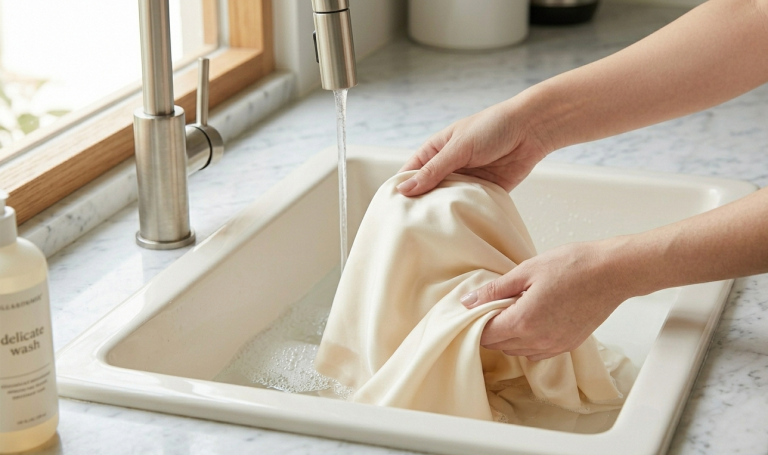
The key is to wash with the appropriate method for your fabric type. For delicate materials, that means cold water, gentle detergent, and air drying.
Quick Reference Guide
| Skin/Hair Type | Recommended Frequency |
|---|---|
| Have Oily skin or acne-prone | Every 2–3 days |
| Normal skin, no products | Once a week |
| Dry skin, clean before bed | Every 1–2 weeks |
| Active breakout | Every 1–2 days |
| Heavy hair product use | Twice a week |
| Dust mite allergy | Once a week (hot wash) |
| Illness/recovery | Immediately after recovery |
Frequently Asked Questions
Is it bad to wash your pillowcase too often? Washing too frequently with harsh detergents or hot water can wear down fabric over time. But washing with the right method — gentle detergent, appropriate temperature — won’t damage your pillowcase, even with frequent washes. The bigger risk is washing too rarely.
Can a dirty pillowcase cause acne? A pillowcase won’t cause acne on its own, but it can make existing acne worse. Bacteria, oils, and product residue that accumulate on a pillowcase can clog pores and introduce irritants to skin that’s already sensitive or prone to breakouts.
Should I wash a new pillowcase before using it? Yes, always wash new bedding before first use. New textiles are often treated with sizing agents, dyes, and finishing chemicals that can irritate sensitive skin. A wash before first use removes these residues.
What temperature should I wash my pillowcase at? For cotton, 104–140°F (40–60°C) is effective and hygienic. For silk, linen, and bamboo, always use cold water (below 86°F / 30°C) to protect the fibers. For allergy sufferers washing cotton, 130°F (54°C) is the minimum temperature to kill dust mites.
Does ironing a pillowcase kill bacteria? A hot iron does kill some bacteria on contact. While it’s not a substitute for washing, ironing freshly washed cotton pillowcases adds an extra layer of hygiene and leaves fabric crisp and smooth.
Final Thoughts
Your pillowcase is one of the most-used items in your home — and one of the most overlooked when it comes to laundry. Making a simple habit of changing it every week (or more frequently if your lifestyle calls for it) takes less than a minute and can make a real difference to your skin, your sleep, and the overall hygiene of your bed.
If you’re unsure where to start, try the rotation method: buy three or four pillowcases, change every two to three days, and wash them all together once a week. You’ll notice the difference faster than you might expect.
Found this helpful? Save it to Pinterest or share it with someone who needs a laundry reminder. Explore more fabric care guides at NestAndLinen