How to Wash a Wool Blanket at Home Without Shrinking It
A wool blanket is one of the most comforting things you can own. It’s warm, breathable, naturally odor-resistant, and gets softer with age. But the moment it needs washing, most people freeze — because everyone has heard the horror story of a favorite wool item coming out of the wash half its original size.
The good news? Washing a wool blanket at home is completely safe when you know the rules. Follow these steps and your blanket will come out clean, soft, and exactly the same size it went in.
Why Wool Needs Special Care
Wool fibers have a unique scaly structure that makes them naturally insulating and moisture-wicking. But those same scales are what cause shrinking and felting: when exposed to heat and agitation, the scales lock together and mat permanently — a process that cannot be reversed.
This means two things above everything else:
- Cold water only — heat is the main trigger for shrinking
- Gentle handling — agitation causes the scales to lock
Get these two things right, and washing wool becomes straightforward.
What You’ll Need
Before you begin, gather everything:
- Wool-safe or delicate detergent (Woolite, Eucalan, or Perwoll Wool)
- Cold water
- A clean bathtub or large basin (for hand washing)
- Two large dry towels
- A flat, clean surface for drying
Avoid: regular detergent, enzyme-based detergents, fabric softener, bleach, and hot water. All of these damage wool fibers.
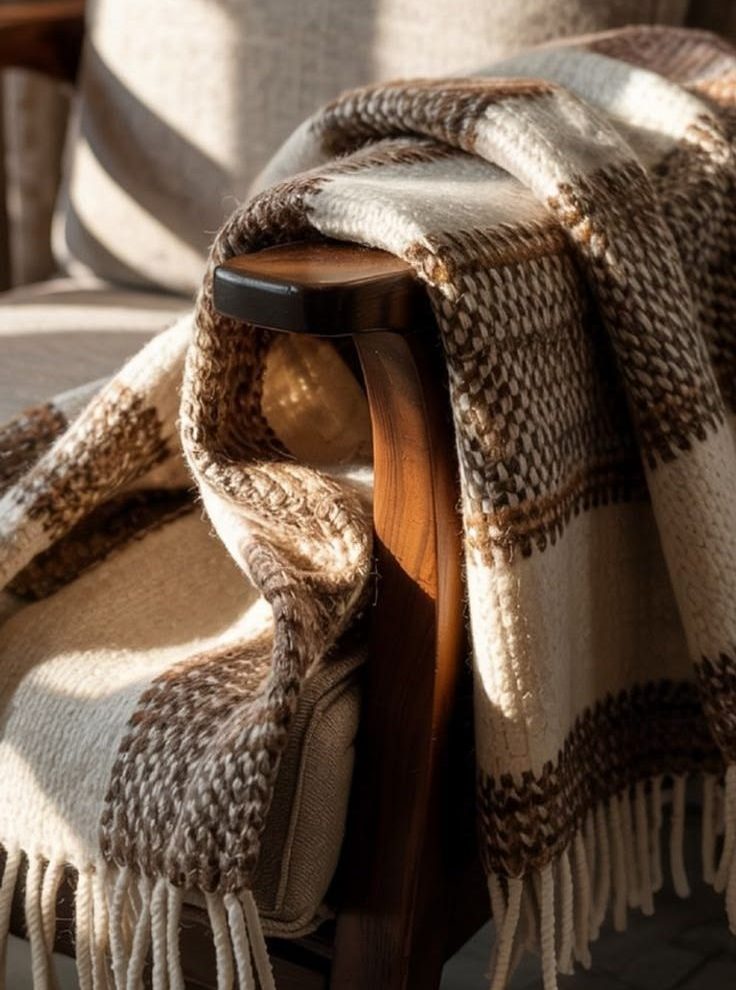
Easy Steps: Hand Washing a Wool Blanket
Hand washing is the safest method for wool, giving you full control over temperature and agitation.
- Step 1: Check the care label Before anything else, check the label. Look for the hand wash symbol (a hand in a tub of water) or the machine wash symbol with a number indicating temperature. If the label says “dry clean only,” take it to a professional.
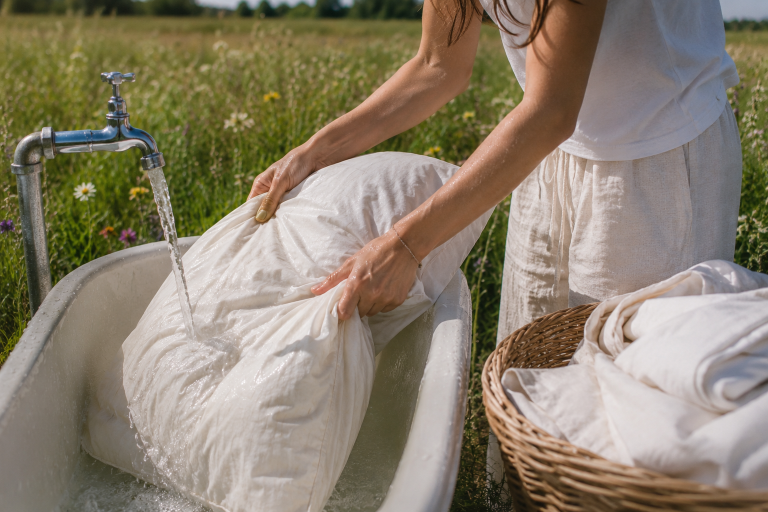
- Step 2: Fill the bathtub with cold water Use the coldest water from your tap. Fill the tub enough to fully submerge the blanket. Add one to two tablespoons of wool-safe detergent and swirl gently to dissolve.
- Step 3: Submerge the blanket Place the blanket in the water and press it down gently until fully saturated. Never drop it in from height or bunch it up — lay it in flat and press evenly.
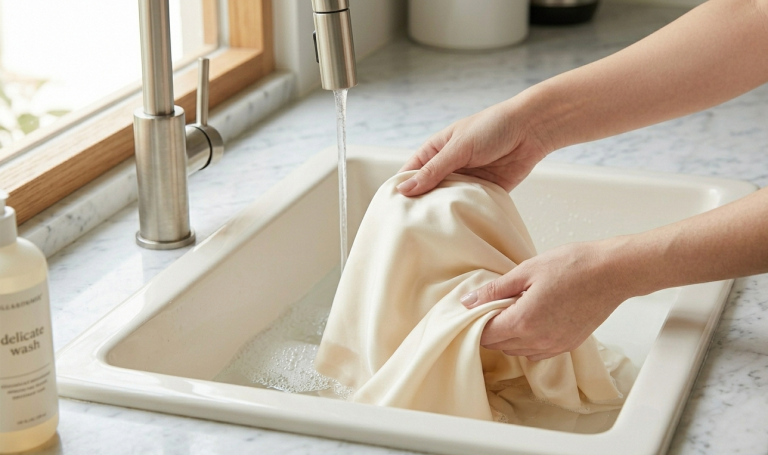
- Step 4: Gently agitate for 5–10 minutes Using your hands, gently press and squeeze the blanket through the water. Work in slow, gentle movements across the whole blanket. Do not scrub, wring, twist, or rub sections together. Think of it as a gentle massage rather than active washing.
- Step 5: Soak for 10 minutes After gentle agitation, let the blanket soak in the soapy water for 10 minutes. This allows the detergent to penetrate the fibers and lift dirt without requiring more agitation.
- Step 6: Drain and rinse Drain the soapy water and refill with fresh cold water. Gently press the blanket through the rinse water. Repeat until the water runs completely clear — this usually takes two to three rinses. Thorough rinsing is important: detergent residue left in wool fibers causes stiffness and can attract dirt faster.
- Step 7: Remove excess water — gently Never wring a wool blanket. Instead, press it gently against the side of the tub to push out as much water as possible. Then lift it carefully — wet wool is very heavy and stretches easily, so support the full weight as you move it.
Easy Steps: Machine Washing a Wool Blanket
Some wool blankets are machine washable — always check the care label first. If the label shows a machine wash symbol, follow these steps carefully.
- Step 1: Use a wool or delicate cycle Select the wool cycle on your machine. If your machine doesn’t have a dedicated wool setting, use the delicate or hand wash cycle with the lowest spin speed available.
- Step 2: Cold water only Set the temperature to cold (maximum 86°F / 30°C). Many machines set delicate cycles to a low warm temperature automatically — override this to cold if possible.
- Step 3: Use wool-safe detergent Add a small amount of wool-safe detergent to the drawer. Use less than the recommended amount — wool doesn’t need much, and excess detergent is difficult to rinse out fully.
- Step 4: Low spin speed Set the spin speed as low as possible — 400 RPM or less if your machine allows it. High spin speeds cause felting and distortion in wool fibers.
- Step 5: Remove immediately As soon as the cycle ends, remove the blanket immediately. Leaving wet wool sitting in the machine causes creasing that is very difficult to remove from wool fibers.
How to Dry a Wool Blanket
Drying is where most wool blankets are accidentally ruined. Follow these steps carefully.
Never put wool in the tumble dryer. Heat causes irreversible shrinking and felting. This applies even to low heat settings.
Never hang a wet wool blanket. Hanging causes the weight of the water to stretch the blanket out of shape permanently.
Always dry flat:
- Lay a large dry towel on a flat surface
- Transfer the blanket onto the towel — supporting its full weight
- Gently reshape the blanket with your hands while it’s still wet
- Roll the blanket up loosely inside the towel and press firmly to absorb excess moisture
- Unroll and transfer the blanket to a fresh dry towel or a clean flat surface
- Reshape again and leave to dry completely
Wool blankets take 24–48 hours to dry fully, depending on thickness and humidity. Flip the blanket over halfway through to ensure even drying. Make sure it’s completely dry before folding and storing — damp wool stored in a closed space will develop mildew.
How Often Should You Wash a Wool Blanket?
Wool is naturally odor-resistant and self-cleaning to a degree — it doesn’t need washing as often as cotton. Over-washing is one of the main reasons wool blankets wear out prematurely.
A general guide:
- Once or twice per season for blankets used regularly
- Once per year for decorative or occasional-use blankets
- Immediately if there’s a visible stain or spill
Between washes, air your blanket outside on a dry, overcast day — direct sunlight can fade and weaken wool fibers over time. Airing removes odors and refreshes the fiber naturally without any washing needed.
Spot Treating Stains on Wool
For small stains, spot treatment is far better than washing the whole blanket:
- Blot the stain immediately with a clean cloth — never rub
- Mix a small amount of wool-safe detergent with cold water
- Apply to the stain using a soft cloth, working from the outside inward
- Rinse with cold water by blotting with a damp cloth
- Press dry with a towel and allow to air dry
For stubborn stains, a small amount of white vinegar diluted in cold water can help lift the residue without damaging the fibers.
How to Store a Wool Blanket
Proper storage extends the life of a wool blanket significantly and protects it from the biggest threat to stored wool: moths.
- Clean before storing — moths are attracted to body oils and food residue in unwashed wool
- Store in a breathable cotton bag — never in plastic, which traps moisture
- Add cedar blocks or lavender sachets — natural moth deterrents that don’t damage fibers
- Fold loosely — avoid tight folds that create permanent creases in wool
Frequently Asked Questions
Can I put a wool blanket in the washing machine? Only if the care label shows a machine-wash symbol. Use the wool or delicate cycle with cold water and a low spin speed. When in doubt, hand washing is always the safer option.
My wool blanket shrank — can I fix it? Minor shrinkage can sometimes be partially reversed by soaking in cold water with a small amount of hair conditioner for 30 minutes, then very gently stretching the blanket back to shape while wet and drying flat. This doesn’t always work fully, but it can help with mild shrinkage.
What detergent is safe for wool? Woolite Delicates, Eucalan Wool Wash, and Perwoll Wool are all reliable options. Baby shampoo also works well in an emergency. Avoid regular detergents, biological detergents, and anything containing enzymes or bleach.
How do I know if my blanket is actually wool? Check the care label for fiber content. If the label is missing, a burn test can help: carefully burn a single thread — wool smells like burning hair and produces a crushable ash. Synthetic fibers melt and smell like plastic.
Can I dry a wool blanket outside? Yes, but avoid direct sunlight which can fade and weaken the fibers. A shaded, well-ventilated spot outdoors is ideal. Always dry flat, never hanging.
Final Thoughts
Washing a wool blanket at home isn’t complicated — it just requires patience and the right approach. Cold water, gentle handling, wool-safe detergent, and flat drying are the four things that will keep your blanket soft, warm, and in perfect shape wash after wash.
Take your time with each step, and your wool blanket will reward you with years of warmth and comfort.
Save this guide to Pinterest for next laundry day, or share it with someone who’s been nervous about washing their wool. For more fabric care guides, explore NestAndLinen.