Best Sheets for Hot Sleepers in 2025: What to Look For (and What to Avoid)
If you regularly wake up too warm in the middle of the night, you’re a hot sleeper — and finding the best sheets for hot sleepers can genuinely transform your sleep. In fact, the wrong sheets, regardless of how soft or expensive they are, trap heat and make an already warm night significantly worse. Fortunately, the right fabric makes an immediate, noticeable difference.
Body temperature naturally drops during sleep. However, some people’s bodies regulate temperature less efficiently, generating or retaining more heat. This is what we call sleeping hot. Several factors contribute to it:
Metabolism — a faster metabolism generates more body heat
Hormones — hormonal changes, including menopause and pregnancy, significantly affect sleep temperature
Room temperature — a bedroom that’s even slightly too warm amplifies the problem
Bedding — sheets that trap heat rather than releasing it make everything worse
Mattress material — memory foam mattresses in particular retain heat
You can’t change your metabolism or hormones — but you can control your bedding. And since sheets are the layer closest to your body, they make the biggest difference.
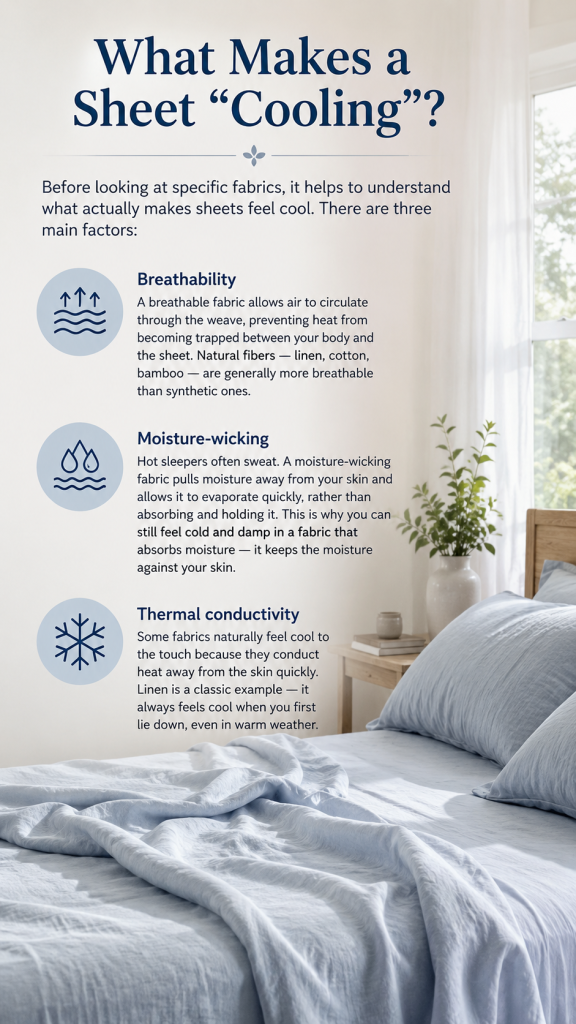
Before looking at specific fabrics, it helps to understand what actually makes sheets feel cool. In general, there are three main factors:
Breathability — A breathable fabric allows air to circulate through the weave, preventing heat from becoming trapped. As a result, natural fibers like linen, cotton, and bamboo are generally more breathable than synthetic ones.
Moisture-wicking — Hot sleepers often sweat. Therefore, a moisture-wicking fabric pulls moisture away from your skin and allows it to evaporate quickly, rather than holding it against your body.
Thermal conductivity — Some fabrics naturally feel cool to the touch because they conduct heat away from the skin quickly. Linen is a classic example — it always feels cool when you first lie down, even in warm weather.
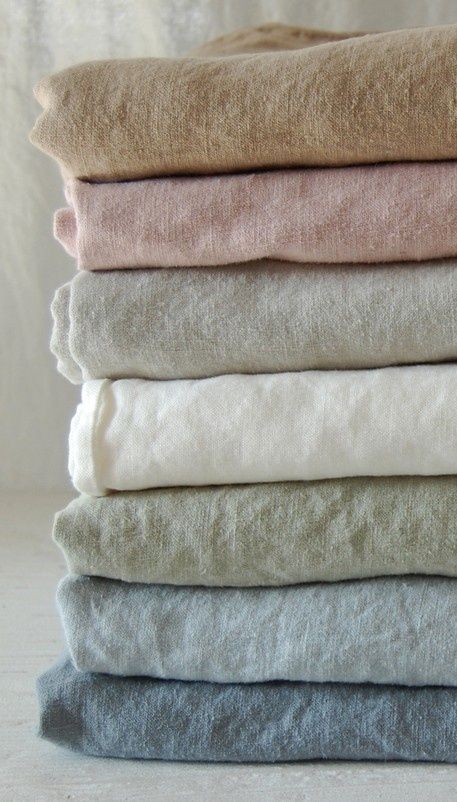
Linen — Best Overall for Hot Sleepers
Linen is widely considered the best overall sheet for hot sleepers. It’s highly breathable, naturally moisture-wicking, and has excellent thermal conductivity — meaning it draws heat away from your body and feels cool to the touch.
Moreover, linen gets softer with every wash and is naturally hypoallergenic and resistant to bacteria — ideal for people who sweat during sleep.
The trade-off: linen wrinkles easily and has a textured feel that some people love and others find scratchy when new. It also costs more than standard cotton.
Best for: Hot sleepers who prioritize breathability and don’t mind a slightly textured feel.
Bamboo — Best for Moisture-Wicking
Bamboo sheets have become increasingly popular for hot sleepers because of their exceptional moisture-wicking properties. In addition, they’re silky-smooth, lightweight, and feel noticeably cool against the skin.
Bamboo is highly breathable and regulates temperature well across seasons — cool in summer, comfortable in winter. It’s also naturally hypoallergenic and antimicrobial, making it a great choice for sensitive skin.
The trade-off: bamboo sheets require careful washing and quality varies significantly between brands.
Best for: Hot sleepers who want a silky feel and excellent moisture management.
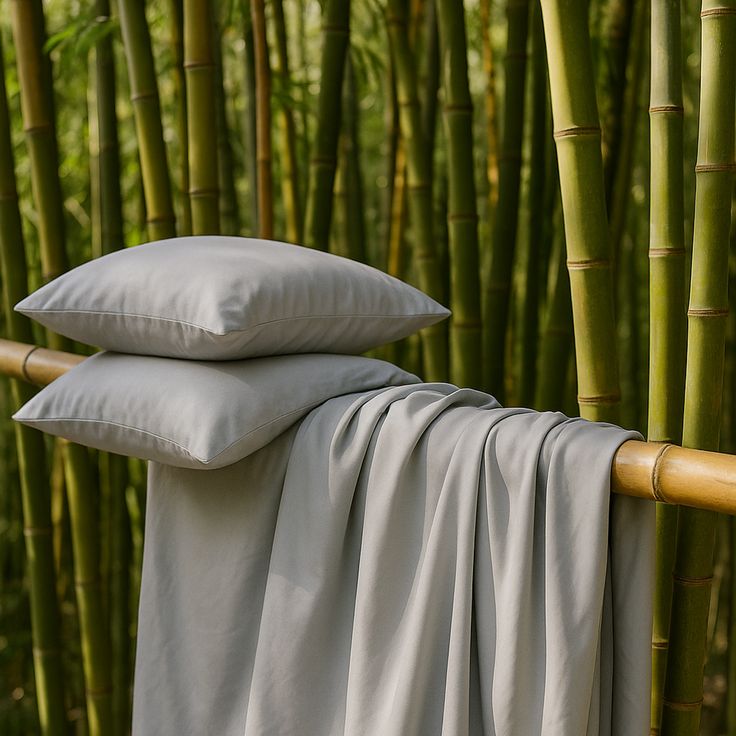
Percale Cotton — Best Budget Option
Percale is a specific weave of cotton that produces a crisp, lightweight, breathable fabric. Unlike sateen cotton, which has a denser weave that traps heat, percale is significantly more breathable and easy to care for.
The trade-off: percale wrinkles easily and is less moisture-wicking than linen or bamboo.
Best for: Hot sleepers looking for a practical, affordable, easy-care option.
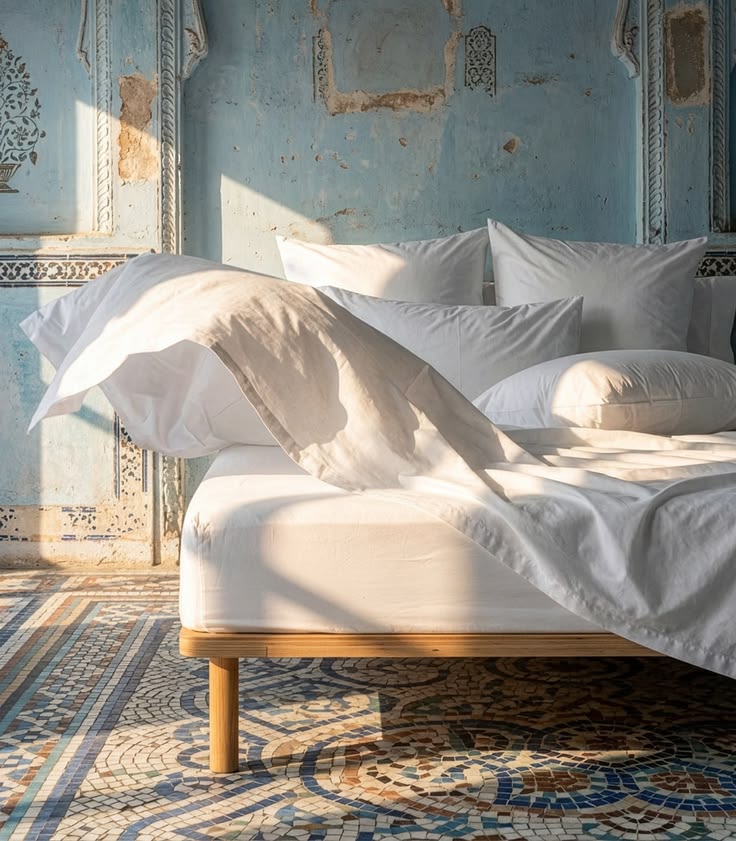
Tencel/Lyocell — Best for Sensitive Skin
Tencel is made from eucalyptus wood pulp and is soft, smooth, breathable, and one of the most sustainable sheet options available. Furthermore, it’s naturally resistant to bacteria and odor.
The trade-off: Tencel is less durable than linen or percale and requires gentle washing.
Best for: Hot sleepers with sensitive skin who want a smooth, sustainable option.
Fabrics to Avoid If You Sleep Hot
Microfiber — Despite being marketed as soft and affordable, microfiber traps heat and doesn’t breathe well. It can feel cool initially but becomes uncomfortable quickly.
Sateen cotton — Its dense weave makes it significantly less breathable than percale. Therefore, if you sleep hot, sateen will likely make things worse.
Flannel — Designed to retain warmth — the opposite of what a hot sleeper needs.
Polyester blends — Polyester doesn’t breathe and retains both heat and moisture. Even a small percentage of polyester in a blend reduces breathability noticeably.
Thread Count: What It Actually Means for Hot Sleepers
Thread count is one of the most misunderstood concepts in bedding. In fact, higher doesn’t automatically mean better — and for hot sleepers, very high thread counts can be counterproductive.
For percale cotton, a thread count of 200–400 is ideal — crisp, breathable, and durable. Above 400, the weave becomes denser and less breathable. As a result, very high thread counts (600, 800, 1000+) are typically heavier and trap more heat.
For hot sleepers: aim for 200–400 in percale cotton. For linen, bamboo, and Tencel, focus on fabric quality and weave type instead
Other Features Worth Considering
Weave type — Percale (crisp, lightweight, breathable) outperforms sateen (dense, warm, silky) for hot sleepers. Always check the weave, not just the fabric type.
Sheet weight (GSM) — For hot sleepers, lighter sheets (90–120 GSM for bamboo and Tencel) are better than heavy ones.
Fitted sheet depth — Make sure the fitted sheet is deep enough for your mattress. A sheet that’s too tight pops off corners and disrupts sleep.
OEKO-TEX certification — Especially relevant for bamboo and Tencel sheets — ensures the fabric is free from harmful chemicals and dyes.
How to Care for Cooling Sheets
- Wash in cold water — heat degrades natural fibers and reduces breathability over time
- Use a gentle detergent — harsh detergents break down cooling fiber properties
- Air dry where possible — preserves fiber quality and extends sheet life
- Wash separately from towels — towel lint clogs the weave and reduces breathability
- Avoid fabric softener on bamboo or linen — it coats fibers and reduces moisture-wicking
For more washing tips, check out our guide on How to Wash a Silk Pillowcase and How Often Should You Wash Your Pillowcase?
Frequently Asked Questions
What is the coolest fabric for sheets? Linen is generally considered the coolest fabric due to its breathability and thermal conductivity. Bamboo and percale cotton are excellent alternatives depending on your texture preference.
Do higher thread count sheets sleep cooler? No — in fact, for hot sleepers, lower thread count percale (200–400) is cooler than high thread count sheets, which create a denser, heat-trapping weave.
Are bamboo sheets actually cooler than cotton? Bamboo is typically better at moisture-wicking than standard cotton. However, for pure breathability, linen and percale cotton are comparable or superior.
How often should hot sleepers wash their sheets? Hot sleepers should wash sheets every week. Sweat and body oils accumulate quickly and reduce breathability over time. For more, see How Often Should You Wash Your Pillowcase?
Final Thoughts
If you sleep hot, the fabric of your sheets matters more than almost any other bedding decision. Overall, linen, bamboo, and percale cotton each offer genuine cooling properties — the best choice depends on your texture preferences, budget, and whether heat or moisture is your bigger issue.
Whatever you choose, avoid microfiber, sateen, and polyester blends — they work against you regardless of how the packaging describes them.
Save this guide to Pinterest or share it with someone who’s been waking up too warm. For more bedding guides, explore NestaAndLinen.